About
Carol Covelli, LCSW
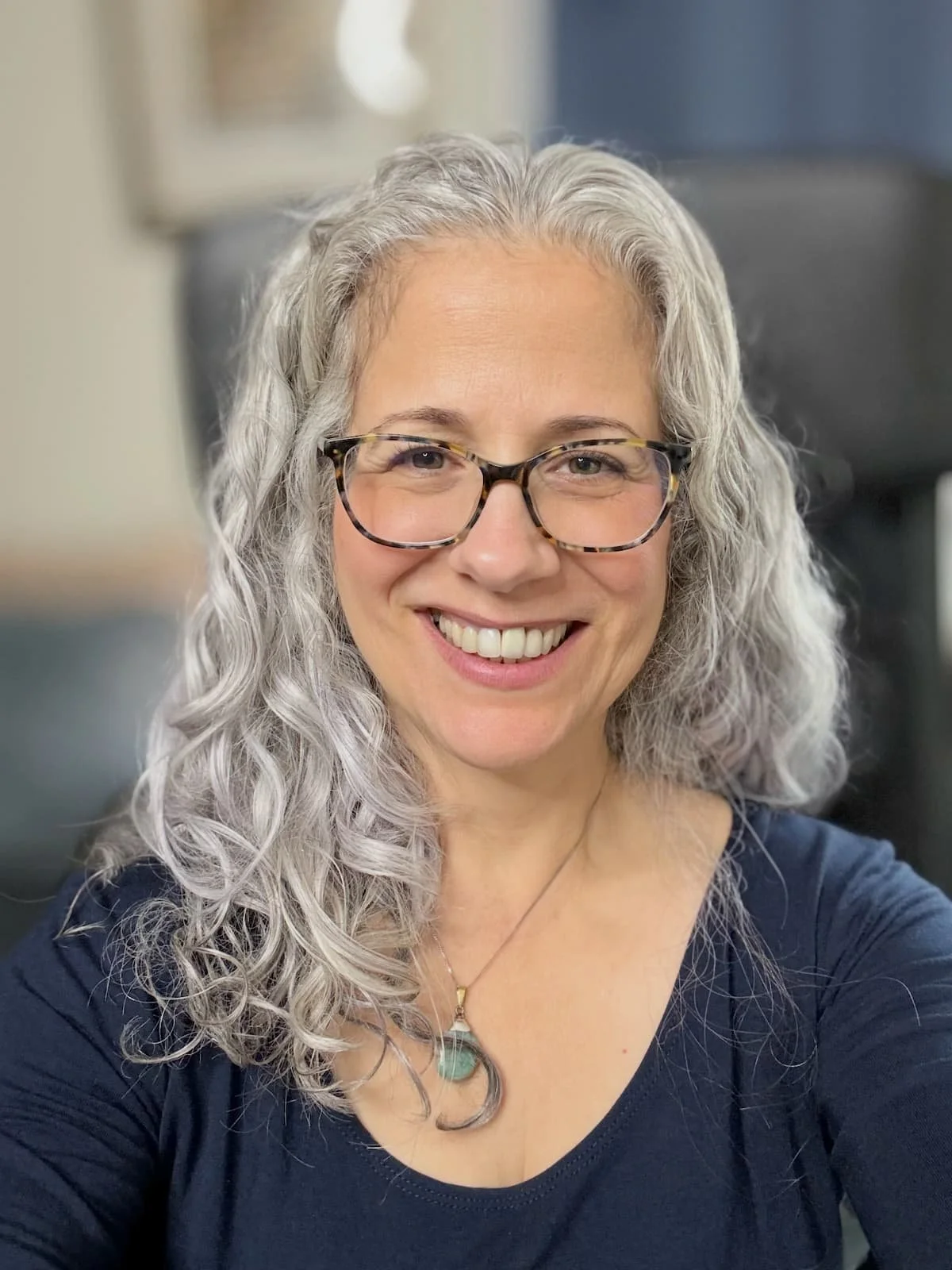
I'm a trauma-trained therapist working with women in midlife who feel lost, or don't feel like themselves anymore because of a sudden change or stress they can't manage the way they used to — and want to feel like themselves again, not just surviving, but living.
You may be in the middle or end of a divorce, watching a life built with your partner get divided into piles labeled "yours" and "mine," and seemingly endless paperwork. You may be in the aftermath of an affair — yours — still finding pieces of the relationship scattered through ordinary moments. Or you may be watching a version of your body and emotions you knew well become less predictable as you move through perimenopause.
Under stress, your mind reaches for previous experiences to make sense of the present — which is why past patterns and emotional pain tend to resurface now, even ones you thought you'd already worked through.
You may notice anxiety you can no longer talk yourself down from. Hurts from the past making themselves known again. Or simply not recognizing yourself — unhappy, on edge, uncertain how to begin again.
Whatever brought you here, the question underneath tends to be the same one: what will it take to feel better?
Midlife has a way of surfacing what we've been carrying
You've spent years being the load-bearing wall in every room you stand in — for your marriage, your children, your work, the people who lean on you without ever asking about your needs. Just like that load-bearing wall, you just hold, and hold, and hold, until one day a hairline crack runs floor to ceiling and then everyone acts surprised.
Maybe your body changed its terms and conditions without consulting you and the same stress you've dealt with for decades starts landing differently, harder to contend with, in a nervous system running on a perimenopause setting. Maybe a trauma you thought had been resolved found its way back to the surface, without asking your permission.
Whatever the cause, the effect is familiar: the strategies that used to work — push through, hold it together, deal with it later — you don't have the bandwidth to keep employing.
Coping starts to feel like refilling a tire with a slow leak. You keep adding air, but whatever's draining it works faster than your ability to keep up. And it's why psychotherapy in midlife is more than getting better at coping. Coping was never the problem. The problem is that coping was asked to do the job when depth may better help.
If something here is resonating — if you recognize yourself in what you've read — a consultation is where we explore whether working with me is right for you.
My approach looks to get to the root — not just the surface.
My approach looks to get to the root, not just the surface.
I use Brainspotting, EMDR, and parts work — modalities that work at the level of the nervous system, not just the thinking mind. These approaches allow us to work through unprocessed or partially processed experiences that became embedded in emotional memory.
Every session is built around you and what you bring to the room, not a protocol you're fitted into.
I hold space for all the parts of you — including the ones you've learned to push down just to keep going.
This isn't about managing symptoms. It's about changing your relationship to yourself: the patterns, the internal critic, the beliefs that have been setting the tone for your self-esteem and self-worth.
Meaningful change occurs when those parts of yourself you’ve had to silence are finally allowed to be seen and heard.
I bring two decades of clinical experience to this work
I bring two decades of clinical experience to this work.
Before opening my private practice, I worked in community mental health and group practice settings, treating individuals across a wide range of clinical presentations.
Over time, I developed a specialization in anxiety and panic.
My work gradually shifted toward women in midlife. A focus that grew out of both my clinical interests and my own life stage. The deeper I went with this population, the more I recognized how layered this transition actually is: not one crisis, but often several, arriving at once — a marriage ending, an affair's discovery, a body changing its functioning, old wounds resurfacing without warning.
That layered reality is what led me to pursue advanced training in trauma treatment, and to develop a particular focus on the aftermath of a woman’s infidelity — not to define women by what happened, but so that what happened can deepen their self-understanding rather than define them.
With this kind of depth-oriented work, clients shift not just how they cope with difficulty, but how they relate to themselves — which changes how they respond to stress, relationships, and the decisions in front of them.
I offer therapy virtually to women located in New York, New Jersey, and Florida.
Education, Training & Certifications
Licensure
State of New York Licensed Clinical Social Worker #082636-01
State of New Jersey Licensed Clinical Social Worker #44SC05450600
State of Florida Registered Out-Of-State Telehealth Provider - Registration #TPSW1306
Specialized Training & Certifications
Certified EMDR Therapist - EMDR Institute, Inc.
Certified Brainspotting Practitioner
Brainspotting Phases I, II, III, IV
Specialty Training - Expansion Spotting
Dr. David Grand Brainspotting Masterclass
Specialty Training - “How to do a Brainspotting Intensive”
Education
Fordham University – Master’s Degree in Social Work, Clinical Concentration
Community & Media

Keep the Kids in Mind with Rachel Fishman Green — A conversation about what drives people outside their marriages, how childhood patterns shape adult relationships, and what families need to move through divorce. (2026)
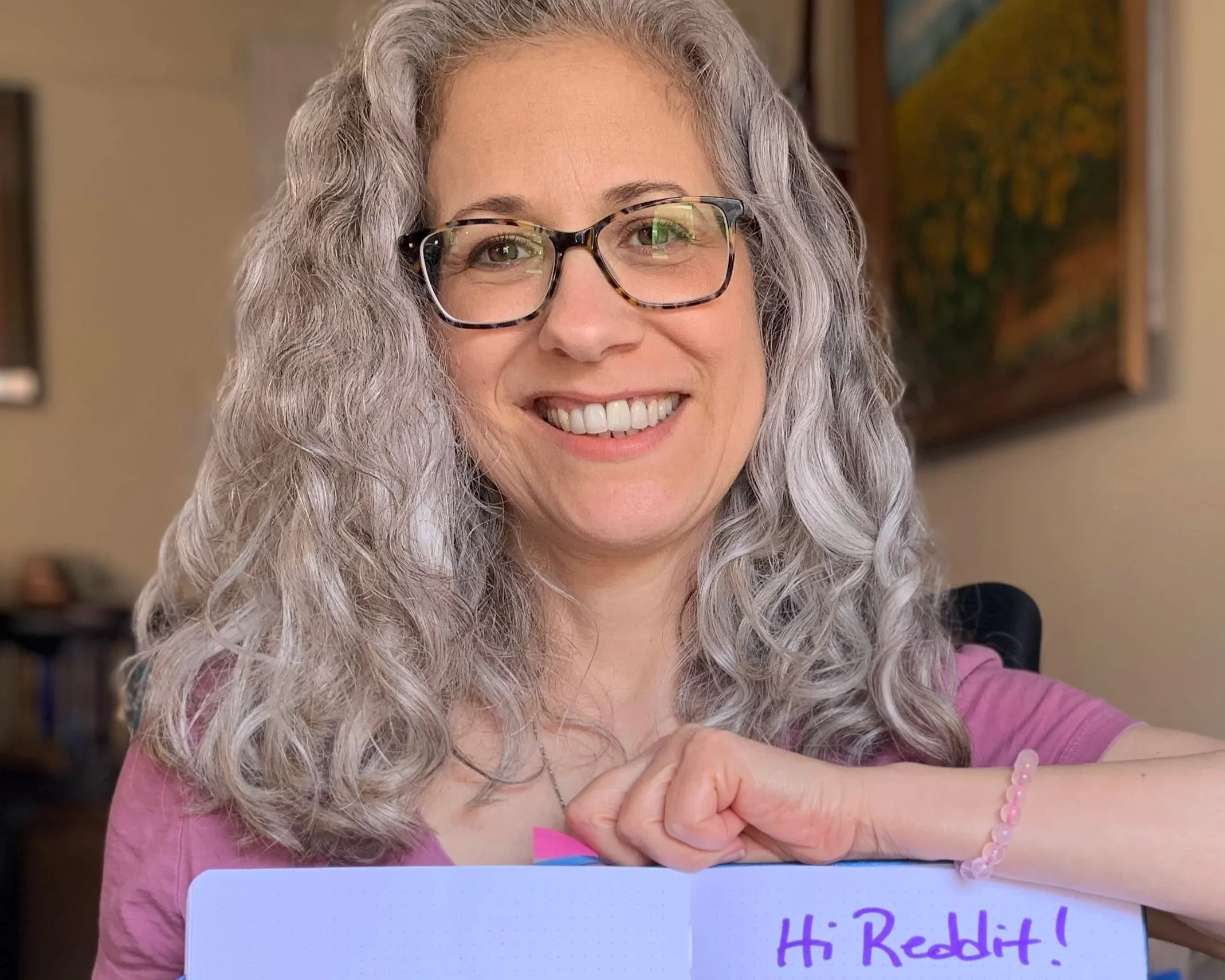
Reddit AMA: Perimenopause / Menopause and Emotional Health — A live Q&A session with women navigating the emotional side of perimenopause and menopause. (2022)
I had an affair but couldn't understand why: How your childhood may hold clues to what happened — An article on how early relationship patterns can shape emotional vulnerability in adulthood, including the mechanisms that make an affair more likely. (2026)